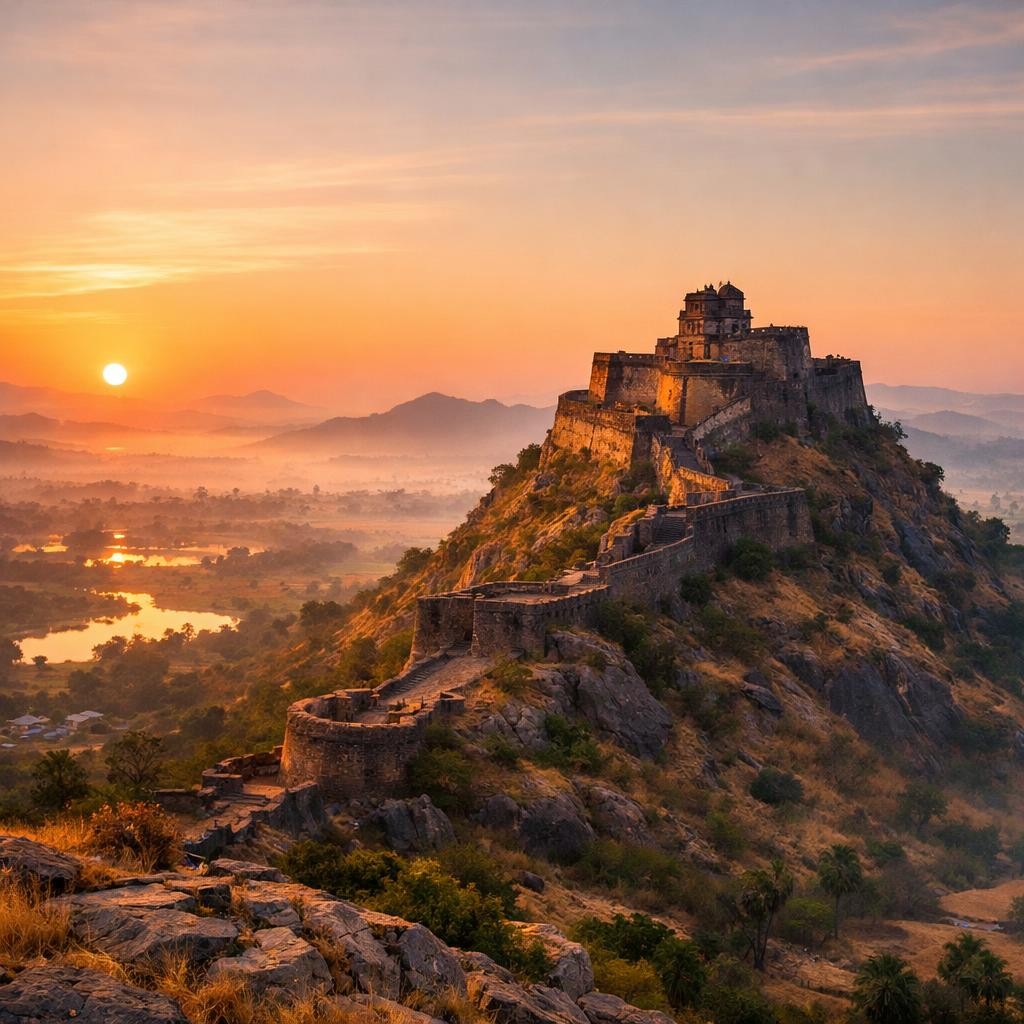
• The Song of Fire and Steel: The Rise and Ruin of Kampili

    The fall of the Kampili Kingdom was not merely the end of a small kingdom, but a moment of defiance etched in fire. From the siege of Anegondi to the tragic Jauhar, this story reveals how destruction gave rise to the Vijayanagara Empire.

    Read more →

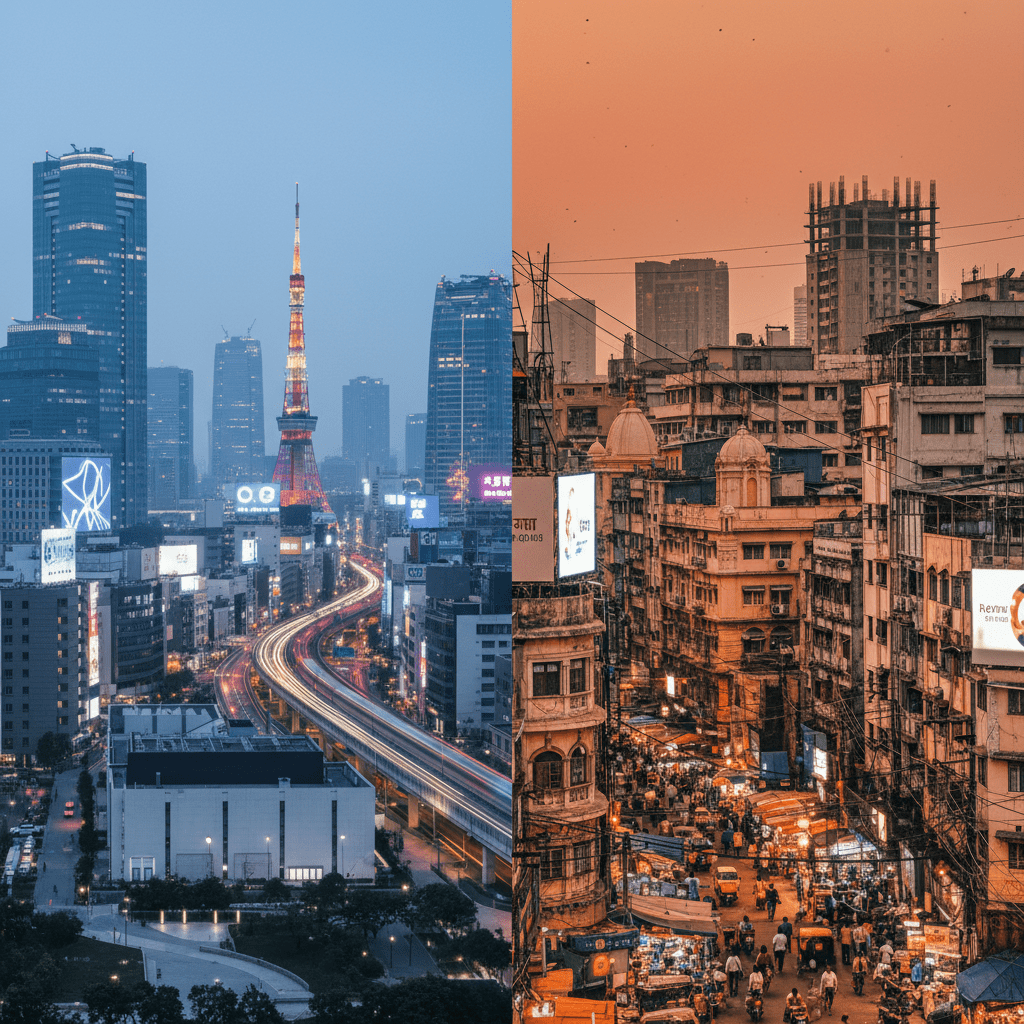
  • Japan vs India: A Comparative Economic Journey

    Prologue: Two Dawns History rarely offers such neat symmetry, yet in the mid-twentieth century, two nations stood at the threshold of rebirth after profound upheaval. In 1945, Japan lay in ruins—its cities reduced to ash after the devastation of war. Just two years later, in 1947, India gained independence, its soul unshackled from colonial rule…

    Read more →

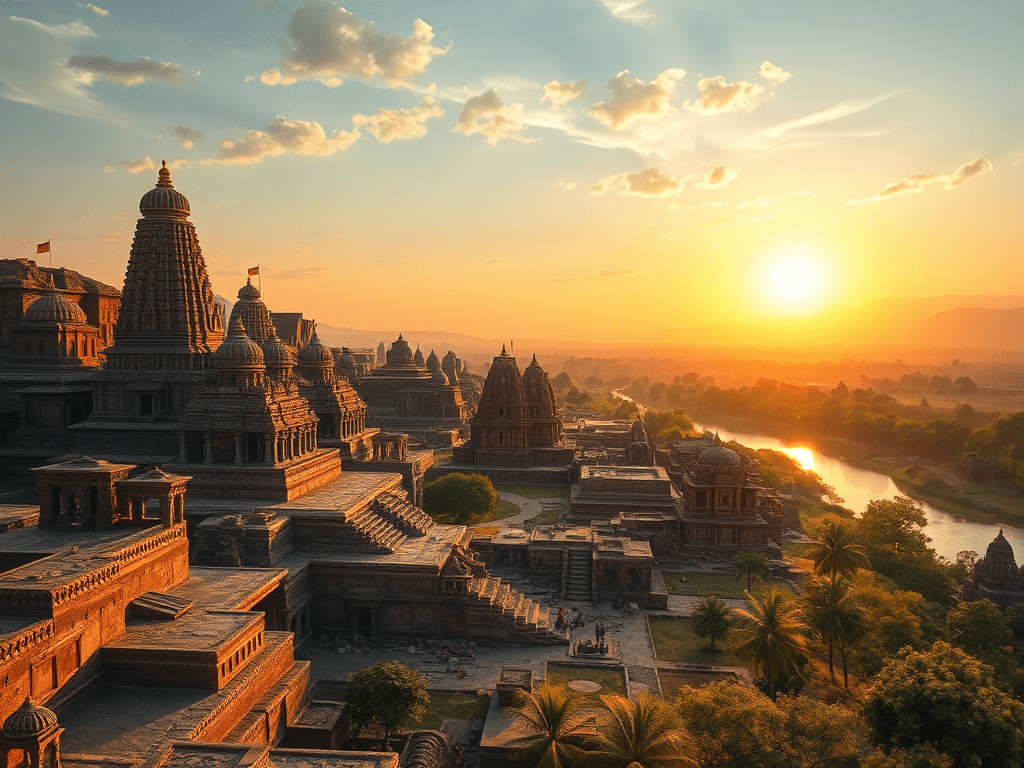
  • The Rise and Fall of the Vijayanagara Empire

    Where and When Nestled in the heart of the Deccan Plateau, the Vijayanagara Empire stands as a testament to the resilience and cultural vibrancy of medieval South India. Spanning from 1336 to 1646 CE, this Hindu kingdom rose from the ashes of invasions to become a powerhouse of art, architecture, and administration. Everyone has read…

    Read more →

  • Hinduism – a brief history

    Hinduism – a brief history

    The Hindus – a brief history. Summary: This is a brief introduction to my forthcoming book, The Hindus. I have tried to summarise the history fo Hindu religion – birth and development to present day status of the faith or religion. Is it a religion or a faith? I will let the reader decide for…

    Read more →

  • Limerick

    Limerick

    Limerick Limerick is a five-line witty poem with a distinctive rhythm, funny and often rude.  Named after the Irish town of Limerick, the poem allegedly got its name from the town custom of shouting “Will you come up to Limerick?” after a performance of nonsense poetry at social gatherings.   However the actual origin of the…

    Read more →

  • Sonnet

    The original sonnet form was invented in the 13th century by a 13th century poet by the name of Giacomo da Lentini and took the name of an Italian philosopher named Francisco Petrarch.  The sonnet, from the Italian sonetto meaning “little song,” is one of the better-known forms of poetry.  Made famous by Italian poets,…

    Read more →

  • Ballad

    Ballad

    This is an extract from my book – Musings of a Romantic where you can learn everything you wanted to know about poetry.

    Read more →

  • Villanelle

    Villanelle

    The Villanelle   The villanelle has humble origins as a rustic Italian song, but over the past few centuries it has developed into a highly structured form of poetry. Villanelle is derived from the Italian word villano, meaning a peasant.  Originated as a dance song with pastoral themes. A nineteen-line poem divided into five tercets…

    Read more →

  • An Ode

    An Ode

    All you wanted to know about an Ode in simple English – short and sweet.

    Read more →

  • A Free Verse

    A Free Verse

    A Free Verse Poem as a rule, does not follow any rules of standard poetry forms.  It owes its origins to the French  Verse libre.   A French weekly magazine called La Vogue started a trend during the late 19th century with a group of poets who were termed to create a £”counter romanticism”.  Their…

    Read more →